
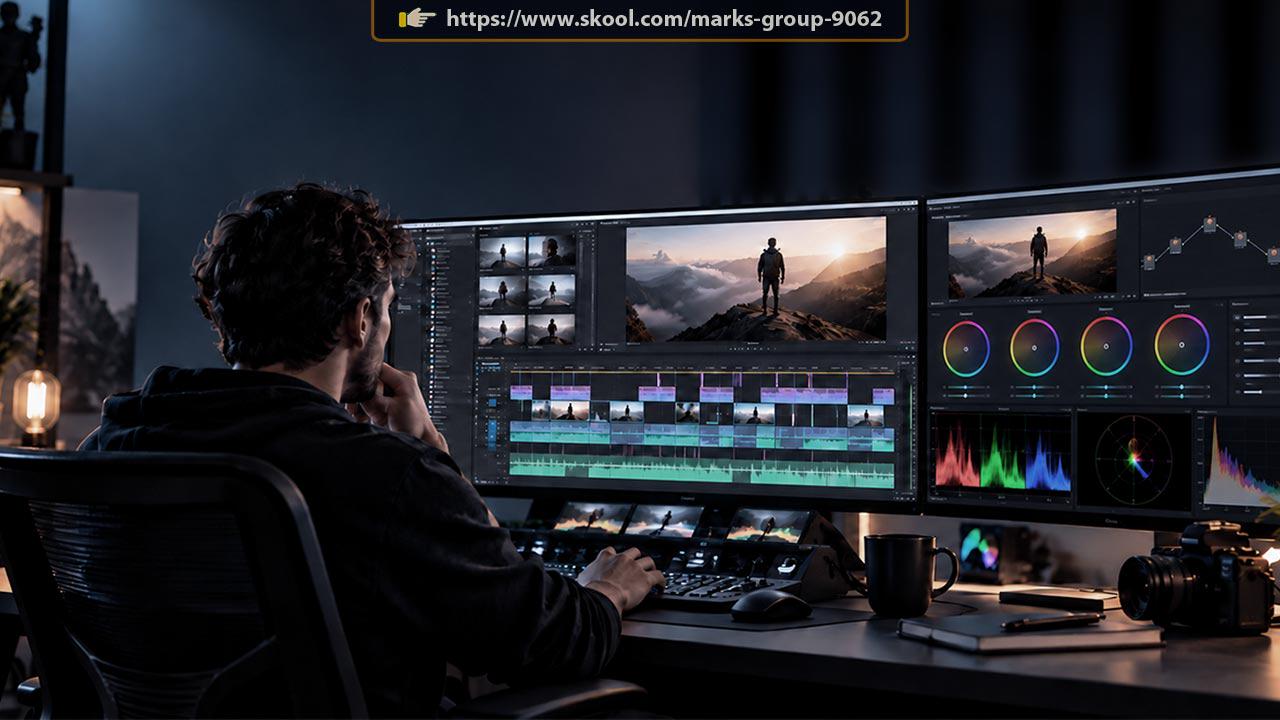
Getting someone to click on a video is only half the battle. The real challenge is keeping them watching.
That is where high-retention editing comes in.
High-retention editing is the process of cutting and structuring video so viewers continually have a reason to stay. It combines storytelling, psychology, pacing, sound, visuals, and data. The goal is not to make a video faster. The goal is to remove moments that give viewers a reason to leave.
Retention Starts With the First 30 Seconds
YouTube specifically measures how many viewers are still watching after the first 30 seconds. According to YouTube, a strong intro often means the opening matched the promise made by the video’s title and thumbnail while keeping viewers interested.
That makes the opening critical.
Skip long logos, unnecessary introductions, and slow explanations. Instead, quickly show viewers what they will gain.
For example:
Instead of saying, “Today we’re going to talk about five video editing techniques…”
Try: “This editing mistake could be causing viewers to leave your videos within seconds.”
The second version creates an information gap. The viewer wants the answer.
Every Edit Should Have a Job
Effective editors constantly manage attention.
Cuts can remove dead space. B-roll can explain an idea visually. Text can emphasize an important detail. Music can change emotional energy. Zooms or camera changes can reset visual attention.
But more editing is not automatically better.
Research into multimedia learning shows that people have limited mental processing capacity. Adding excessive or irrelevant details can overwhelm viewers rather than improve understanding. A 2026 study of educational video podcasts found that participants exposed to extra “seductive” details performed worse on free recall than the control group, highlighting the risks of unnecessary information.
In other words: stimulate attention without creating cognitive overload.
Use Pattern Interrupts Carefully
A pattern interrupt is a noticeable change that refreshes attention.
It might be:
A camera angle change
B-roll
An animation
On-screen text
A sound effect
A sudden pause
A question
A visual demonstration
The key is relevance. If something changes on screen, it should reinforce the message or renew curiosity.
Random effects can become distracting.
Let Retention Data Teach You
Modern editing is increasingly data-driven.
YouTube’s audience-retention graph shows where viewers remain engaged, skip forward, rewatch sections, or leave. Spikes can indicate rewatched or shared moments, while dips may reveal sections viewers skipped or abandoned.
Smart creators study those patterns.
If viewers consistently leave during long explanations, shorten them. If demonstrations create spikes, use more demonstrations. If your strongest section appears halfway through the video, consider moving that value earlier.
High-retention editing is therefore an optimization loop:
Edit → Publish → Measure → Learn → Improve.
The best editors do not simply make videos look polished. They manage attention deliberately.
When every second creates value, curiosity, clarity, or emotion, viewers have fewer reasons to click away.


Leave A Comment