
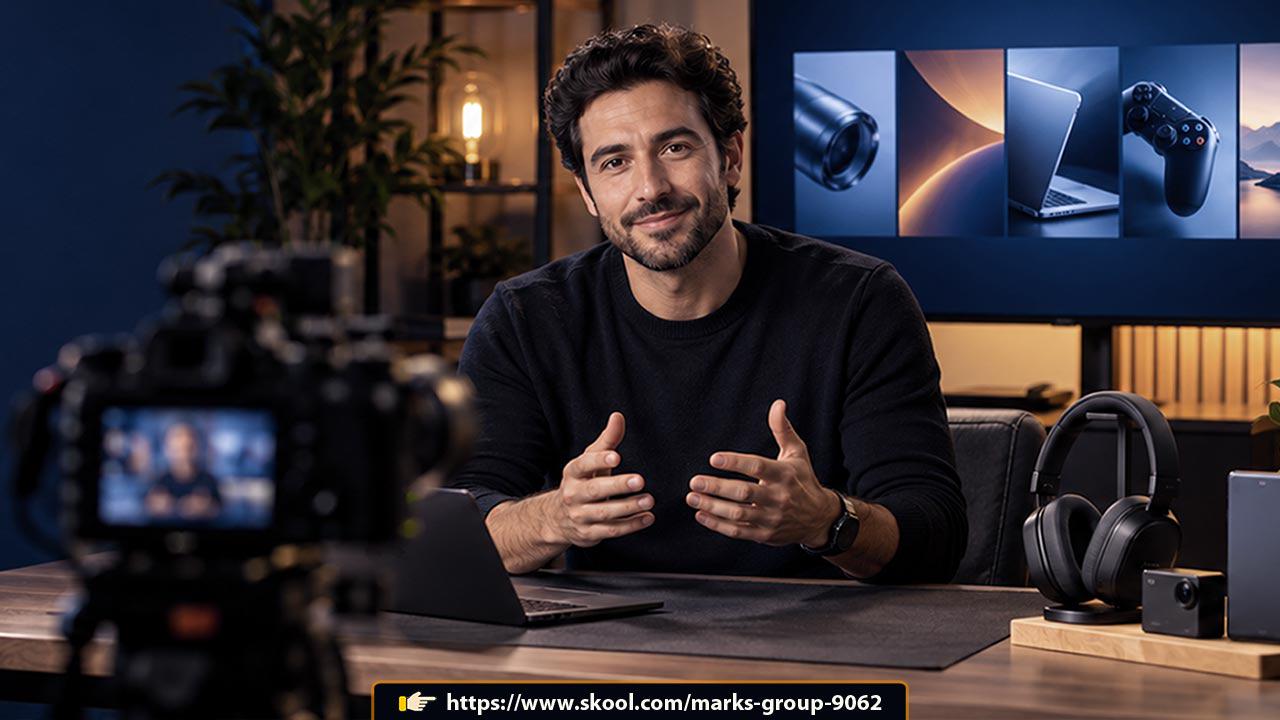
What if your next content project became a show people returned to every week—and a business with several ways to earn?
That is the opportunity behind modern TV-style production. Combine television’s familiar strengths—recognizable hosts, recurring segments, and compelling stories—with online distribution and direct audience relationships.
The audience shift is already substantial. In February 2025, YouTube reported more than one billion hours of daily viewing on televisions worldwide. In his January 2026 letter, CEO Neal Mohan described creators as the new studios, building shows and media businesses of their own.
For independent producers, that suggests a practical direction: build a repeatable show that serves a specific audience.
Give viewers a reason to return
Choose a clear promise. A technology show might explain one emerging invention each week. A cybersecurity series could investigate common scams. A local show could introduce the people and businesses shaping your community.
Create familiar segments: an opening question, a demonstration, an interview, and a useful takeaway. Familiar structure helps viewers understand what they will get next time.
Start with a short pilot season you can realistically finish.
Modernize the production process
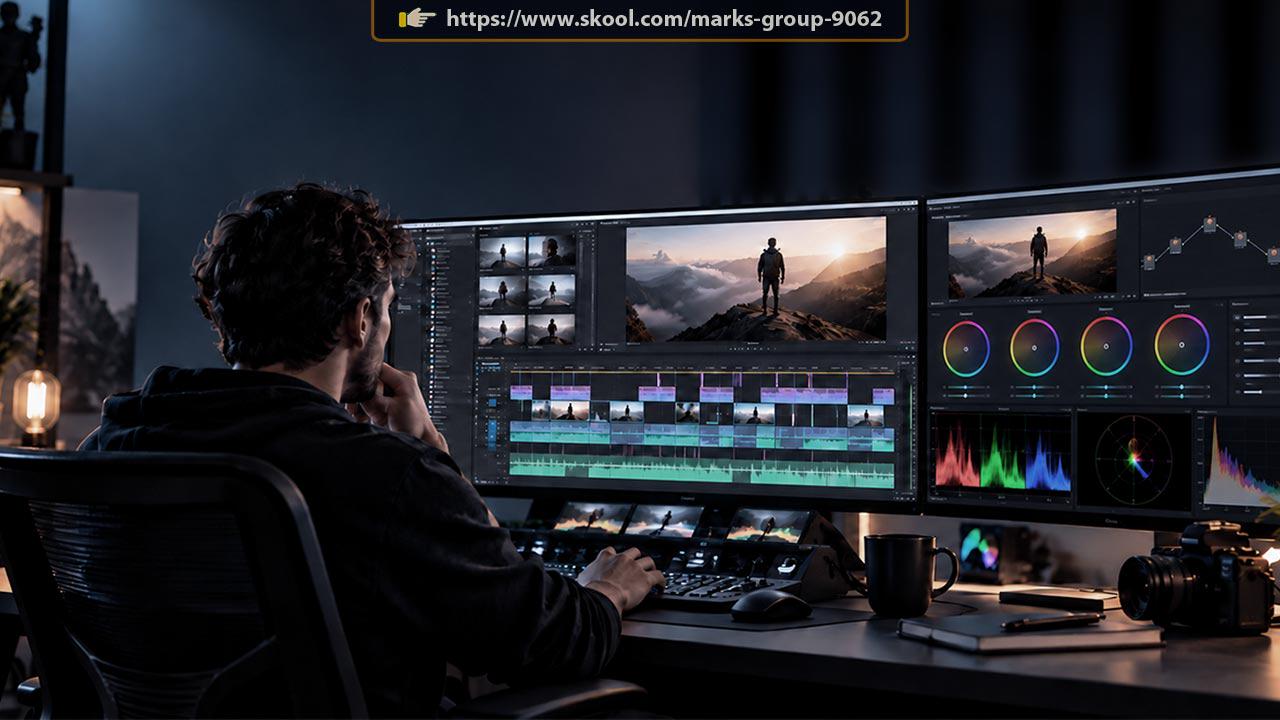
Use reusable lighting setups, graphics, editing templates, and episode outlines. Record several segments during one session when practical.
AI can help brainstorm titles, draft outlines, and prepare promotional copy. Check its facts and protect the voice that makes your show distinctive.
Plan multiple outputs before filming: a full episode, a few standalone clips, still images, and an email summary. Each should deliver something useful on its own.
The goal is to get more value from each recording while keeping production manageable.
Build revenue around audience needs
Consider these options as experiments, not guaranteed income:
Season sponsors: Offer a relevant business a defined package across several episodes, with clear deliverables and honest audience numbers.
Memberships: Provide bonus discussions, production breakdowns, or live question sessions for viewers who want more.
Digital products: Turn repeated audience questions into useful guides, templates, or workshops.
Affiliate partnerships: Recommend products you can credibly discuss, with clearly disclosed commercial relationships.
Production services: Use the show to demonstrate your skills and attract businesses that need their own series.
YouTube’s 2026 plans also emphasize brand partnerships, shopping, and fan funding. That supports exploring several income sources, although access to platform features varies.
Test the business before expanding
For a hypothetical six-episode technology series, you might test one sponsor package and one paid workshop. Track production hours, expenses, returning viewers, email signups, and actual sales.
A show can attract attention without covering its costs. Count your time when deciding whether the format works.
Improve the strongest segments. Drop work that adds little viewer value. Increase spending when the results justify it.
Modernizing TV-style production means connecting a recognizable show, an efficient workflow, and offers your audience actually wants.
If you launched a six-episode show, what would viewers come back for—and what would they value enough to buy?

Leave A Comment