


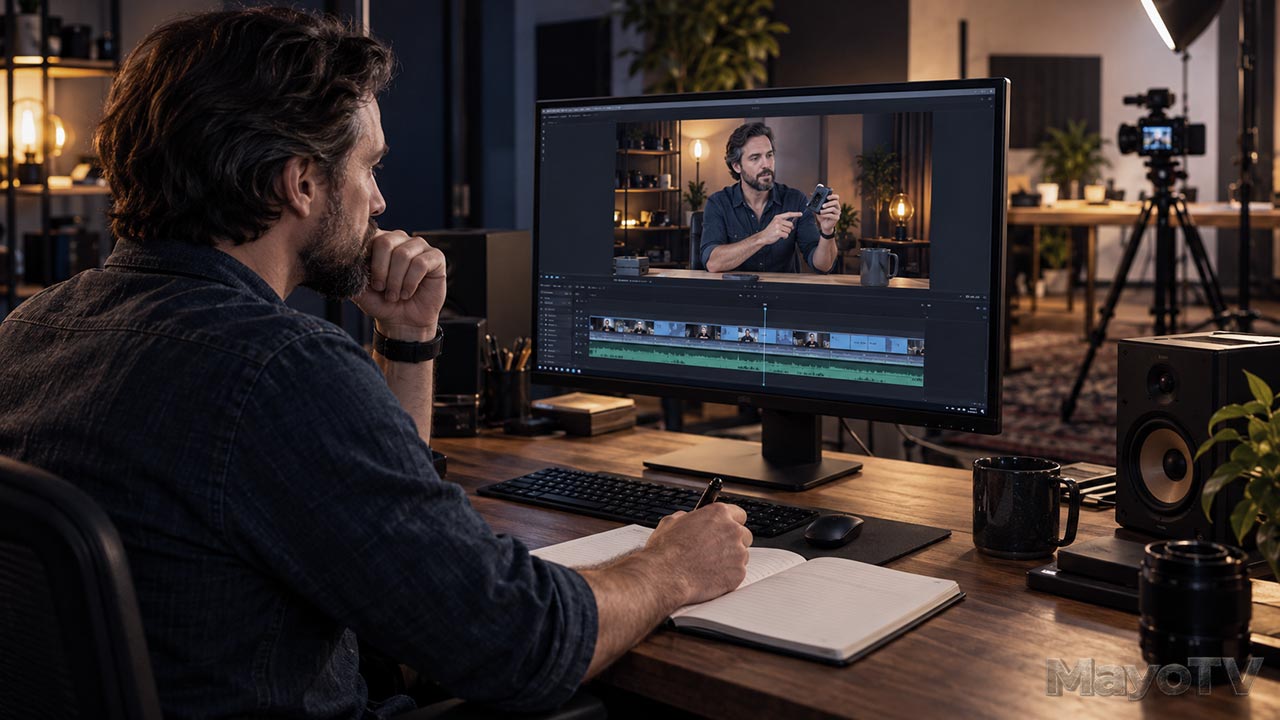
Before You Launch a Series, Make a Pilot Episode
You have a show idea, a name, and enough subjects to fill a season. It is tempting to announce a release schedule and start preparing several episodes at once.
First, make one complete episode.
A pilot is an initial episode used to test the proposed show. It lets you experience the concept as an actual program: the opening, presentation, supporting footage, editing, and ending. It also reveals what the production requires from you.
For an independent producer, a pilot can be a practical rehearsal for the series. You are testing whether the idea makes sense on screen and whether you can produce it repeatedly with the resources available.
Write the Show’s Promise
Start with one sentence explaining who the show serves and what viewers can expect.
For example: “A practical technology show that helps beginner producers understand one home-studio tool in each episode.”
That promise helps you choose the pilot’s subject and decide what belongs in the program. An episode about connecting a microphone fits. A long discussion of unrelated industry news might need a different format.
Be specific enough to guide decisions, while leaving room for future subjects. If the premise only supports one interesting video, it may be a standalone project rather than a series.
Choose a Representative First Subject
Pick a subject that lets you test the normal production, rather than an exceptional episode you could not repeat.
A pilot built around an expensive location, a special guest, or borrowed equipment may look impressive without showing how the regular series will work.
For the technology show, you might demonstrate a basic microphone connection. That gives you a presenter explanation, close-ups, a practical test, and a result to discuss.
Choose something you can complete. The pilot should reveal the demands of the format without becoming so large that you never reach the review stage.
Test a Simple Episode Structure
Outline the experience before scripting every line. A useful starting structure might be:
- Open with the problem the episode will address.
- Explain what the viewer needs to know.
- Demonstrate the process with clear supporting pictures.
- Show the result and discuss its limitations.
- End with a practical next step.
Use this as a test structure, not a requirement for every show. A documentary or interview will need an approach suited to its material.
Decide how the presenter relates to the audience. Are they teaching directly, investigating a question, or guiding a conversation? Record a short rehearsal to hear whether the delivery supports that role.
Produce It Under Realistic Conditions
Use the space, equipment, and people you expect to have for the series. Plan the shoot, record the necessary coverage, and finish the edit.
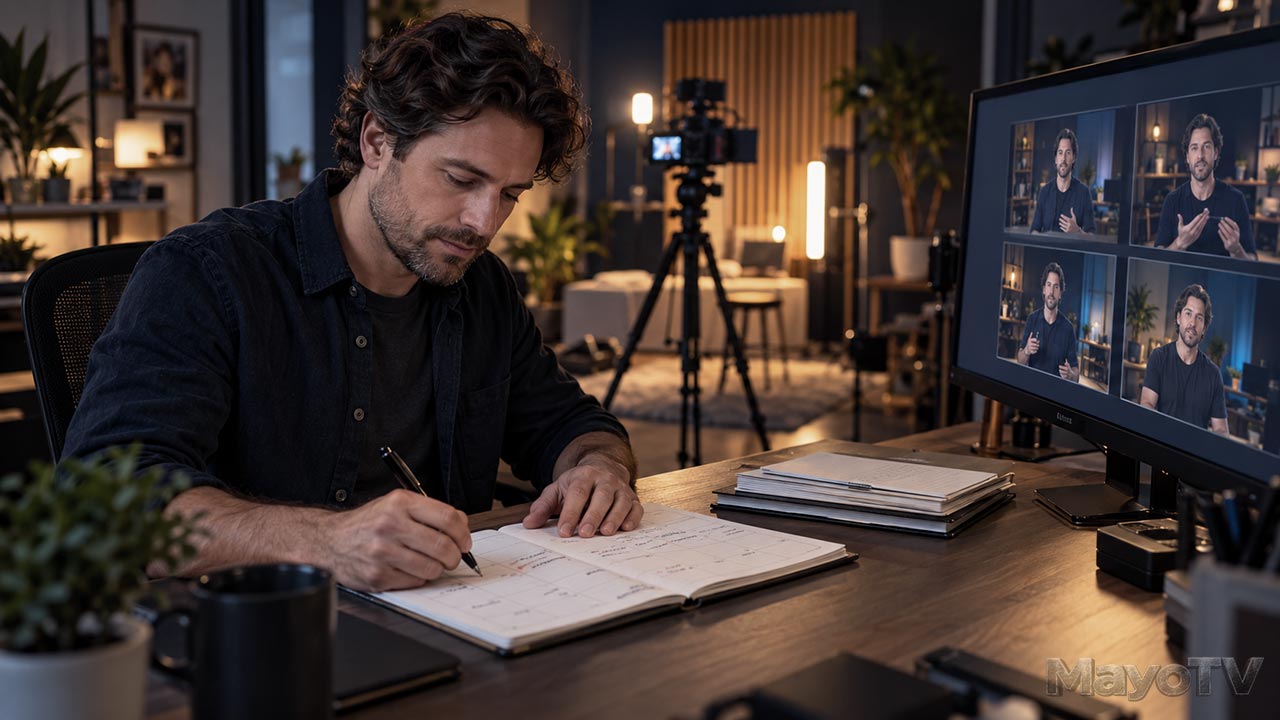
Track the work as you go. Note the time spent researching, scripting, setting up, filming, editing, and preparing the release materials. Record direct expenses and any task that requires outside help.
Do not assume the first episode’s workload will disappear with practice. Some tasks become easier as you establish the setup; others remain part of every production.
Finish enough of the package to assess the whole process. Prepare a thumbnail, description, captions, and a draft project page if those belong in your publishing plan. Keep the pilot private for review if you are not ready to release it.
Review It as a Viewer
Watch the finished episode without stopping to explain what you intended. The audience will not have your production notes.
Does the opening establish a reason to watch? Can a beginner follow the demonstration? Are important details visible? Does the episode deliver the promise made at the start?
Separate an execution problem from a concept problem. Missing close-ups may mean you need better coverage. A subject that does not interest the intended audience may require a different topic or premise.
Write down where the program becomes confusing, repetitive, or slow. Identify specific changes rather than deciding that it simply needs to be “more professional.”
Ask for Focused Feedback
Show the pilot to a small group that resembles your intended audience. Explain that you are testing the program and want useful observations.
Ask questions such as:
- What did you expect from the opening?
- Which part was useful or interesting?
- Where did you become confused or lose interest?
- What question remained unanswered?
- Would another episode on a related subject interest you?
Their answers can help you improve the show, but a small review group does not establish broad demand. Treat the feedback as evidence to investigate, not a guarantee of success.
Decide What You Can Repeat
Compare the viewing experience with the production effort. Which elements deserve to stay? Which add work without enough value? What would improve if you repeated the setup?
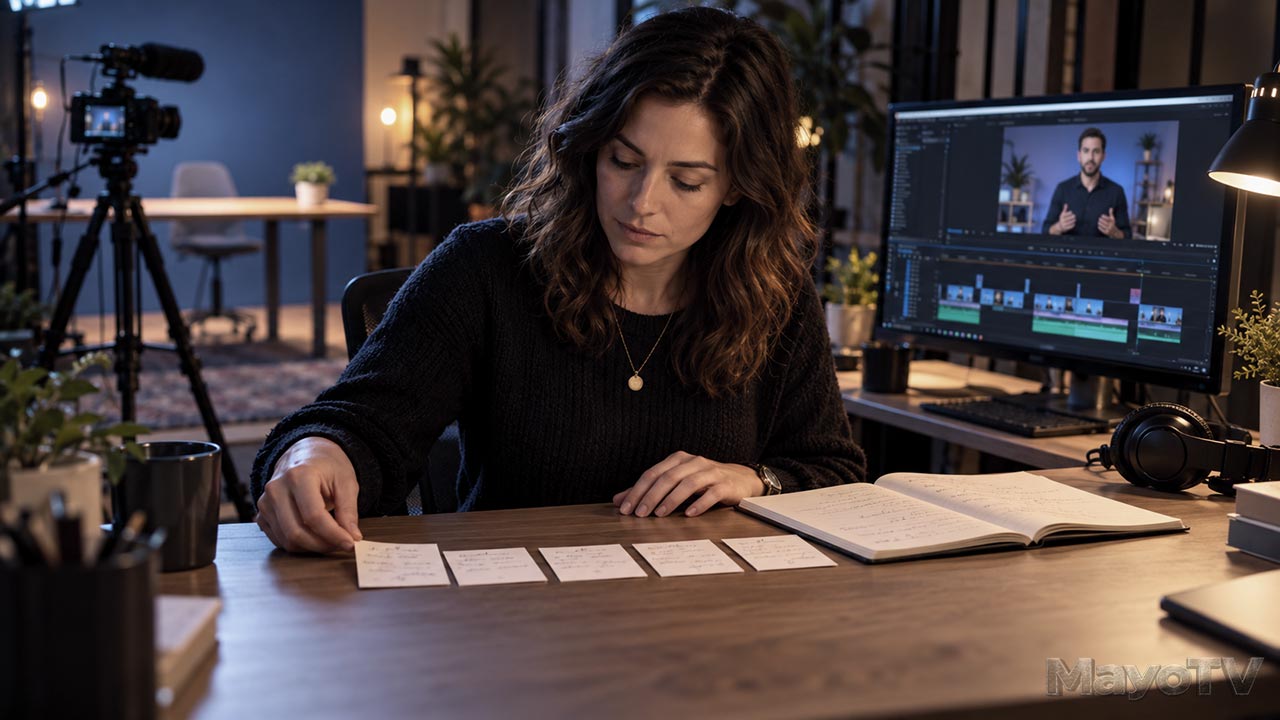
You might shorten the introduction, reduce the number of segments, or record demonstrations separately from presenter material. Test substantial changes before committing to a season.
Once the format feels workable, outline a small run of episodes and estimate the resources required. A completed pilot gives you a firmer basis for that plan than an imagined workflow.
Your Pilot Review Checklist
Confirm that:
- The audience and show promise are clear.
- The subject represents the proposed series.
- The episode delivers its opening promise.
- Picture, sound, and presentation support understanding.
- Production time and costs have been recorded.
- Feedback identifies concrete improvements.
- The format can support several worthwhile episodes.
Explore Independent Broadcasting: Creating Your Own Place on Screen for the wider publishing approach. Your pilot does not have to prove everything. It should give you enough experience to decide what to make next and how to make it better.









Leave A Comment